


the Remains of Ugarit
Discover our latest travel stories, tips, and insights
Dec 27, 2025
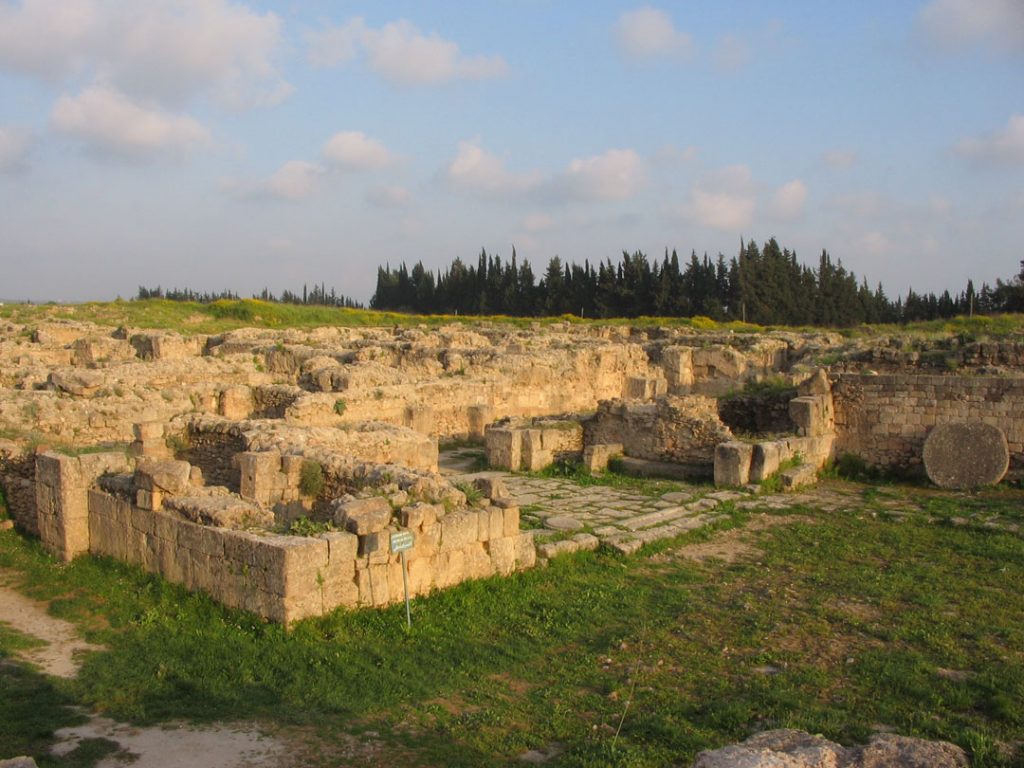
North of Latakia, on the low mound of Ras Shamra, lie the weathered remains of Ugarit — a city whose history stretches back thousands of years to the Neolithic era. For much of its past, it thrived as a coastal hub, reaching its golden age between 1450 and 1200 BCE as a powerful Late Bronze Age kingdom trading with Egypt, the Hittites, and Cyprus. Its palaces, temples, and archives once stood at the heart of a vibrant port that shaped the politics and commerce of the eastern Mediterranean until It was destroyed around 1185 BCE. The world had forgotten Ugarit until 1928, when a local farmer’s plow struck a buried stone at nearby Minet el Beida, revealing ancient tombs and triggering excavations that uncovered the city itself. Those digs unearthed monumental architecture and thousands of clay tablets detailing trade, diplomacy, religion, and mythology — including the earliest known alphabetic cuneiform — transforming Ugarit from a lost name into one of archaeology’s most important windows onto the ancient Near East.